
Breath & practice
How to choose a Hatha and breathwork class in Central
Look for a pace you can follow, guidance you can understand and room to adjust.
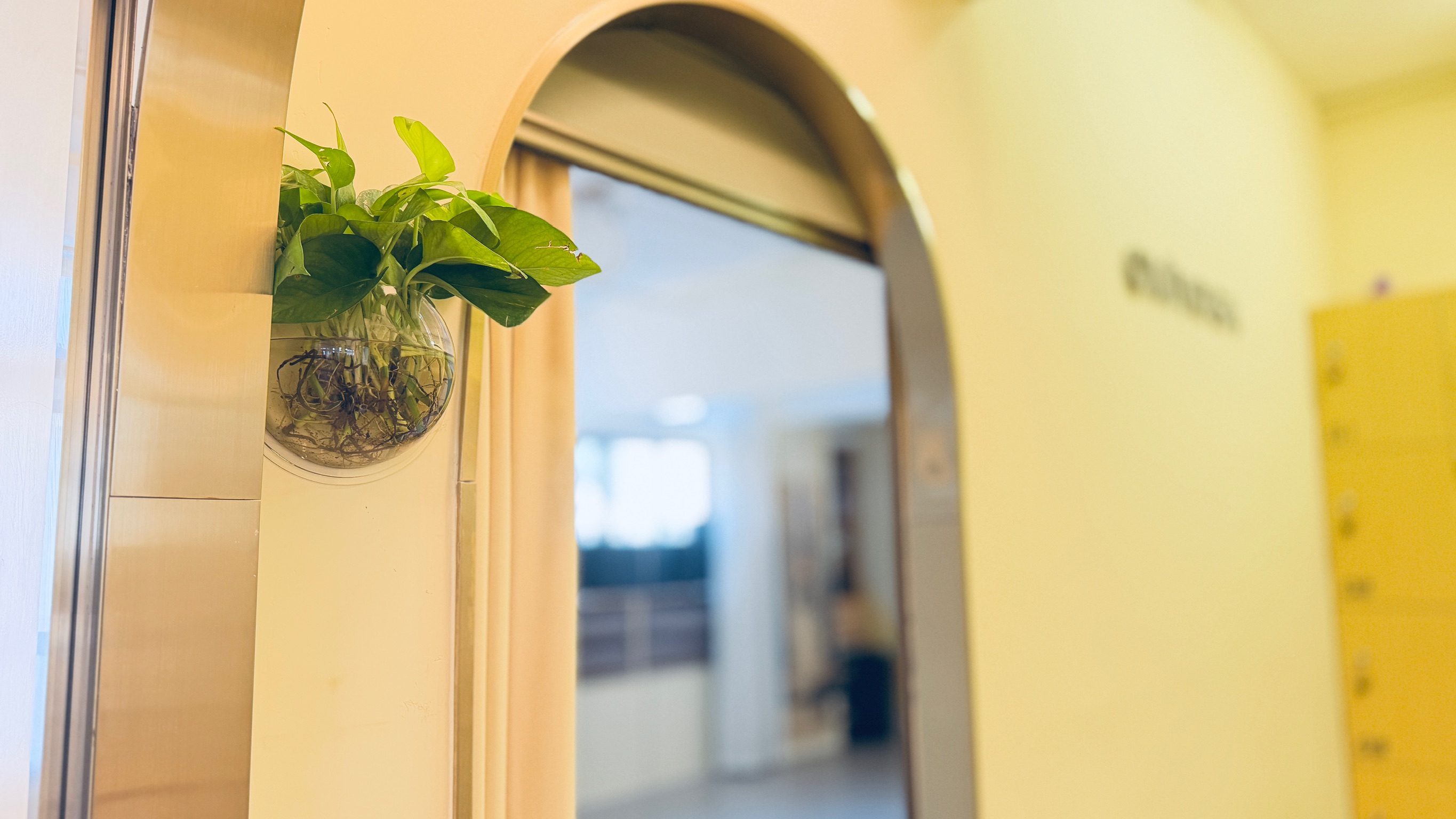
Start by asking how a class combines postures, breathing guidance and quiet observation. Check the level, pace and teacher before booking. You do not need a long breath or an elaborate technique to begin. OMIYOGA currently lists Hatha & Breathwork among its Central classes.[1]
What would you like to learn about breathing?
After a busy day, practice can easily become another task to complete. A deeper inhalation or a longer exhalation may look like a clear target. A more useful first question is whether the class gives you enough space to notice what you are doing and choose an appropriate response.
Ask how breathing is introduced. Does the teacher begin with a natural rhythm, use counting or include holds and stronger techniques? How much time is spent moving, and how much is spent observing? Similar class names can describe different experiences. A clear explanation helps you decide what fits.
Let the breath give you something to notice
You do not have to memorise several methods in your first class. Notice when you hurry, which version of a movement helps you follow the instructions and whether you feel able to pause. These observations give you something specific to discuss with a teacher.
When choosing yoga classes in Central, ask how different learning paces are accommodated. Are there variations? Can you return to natural breathing? Is the purpose of an exercise explained? These are useful things to explore after searching for a recommended yoga teacher in Hong Kong.
A recent study puts precise ratios in perspective
A 2025 analysis followed 99 healthy participants in a 12-week yoga-based slow-breathing programme. Blood-pressure changes did not differ significantly between equal inhale/exhale and longer-exhale groups. There was no non-slow-breathing comparison group, limiting conclusions about the cause of before-and-after changes.[2]
A precise ratio is therefore not a universal target for every student. Research protocols, regular practice and the experience of an individual studio class need to be understood in their own contexts.
Your first task can be to recognise your breathing rhythm, before trying to make it longer.
Choose a rhythm you can understand and sustain
A measurement is only part of the experience
A 2026 randomised trial with 47 healthy adults compared heart rate variability biofeedback with sham feedback. Some psychological measures improved, while autonomic measures did not show corresponding changes. Larger breathing-related HRV during practice did not consistently mean larger psychological benefits.[3]
That study tested a specific biofeedback intervention, rather than a general yoga class. It offers a useful reason to be cautious about judging practice by a wearable reading alone. Understanding the instructions, communicating with the teacher and finding a routine you want to return to are also worth recording.
Three questions for a first class
| What to explore | A useful question |
|---|---|
| Pace | How are movement, breathing and rest organised? Is the class suitable for beginners? |
| Communication | Can I return to natural breathing if counting feels uncomfortable? |
| Continuity | Which elements, if any, are appropriate for me to revisit at home? |
If a technique causes dizziness, tingling, breathlessness or discomfort, stop that technique, return to natural breathing and tell the teacher. Discuss health conditions, pregnancy or relevant medical advice before joining. A general yoga class does not replace diagnosis or treatment.[4]
Let your question guide the choice at OMIYOGA
The Central class selection includes Hatha & Breathwork, Yoga & Meditation and other forms of practice.[1] Tell the team whether you are seeking more movement, more quiet time or a clearer understanding of breathing instructions. That gives them a useful starting point for discussing suitable sessions.
OMIYOGA's biography of Naomi Chan also records her interest in pranayama, Vipassana and mindfulness.[5] If you would like to explore her teaching, ask about the current timetable. A class title alone does not establish who will lead a particular session.
Take one observation into the next practice
After class, write down one thing you noticed. Perhaps you held your breath during a transition, understood an instruction more clearly with a variation, or found that pausing gave you time to ask a question. A specific observation can be more useful than scoring the whole experience as good or bad.
Check OMIYOGA's live Central schedule for levels, teachers and available sessions. Make room for practice that feels understandable and possible to continue. That is a practical place to begin.
General educational and class-selection information only. The cited research did not test OMIYOGA classes and does not provide an individual breathing prescription.